Dwight Howard's post-up game starts with a simple truth: he doesn't need a jump shot to dominate. Watch any Orlando Magic highlight from 2009—he catches the ball on the left block, feels the defender's weight, and spins baseline in one motion. The key is his footwork. He keeps a wide base, takes one dribble to back down。then uses a quick drop step. I've seen him score on Pau Gasol repeatedly in the 2009 Finals because Gasol couldn't match his lower-body strength. Practice that drop step: land on the ball of your inside foot, keep the ball high, and go up strong. No pump fakes needed. Howard's efficiency near the rim came from eliminating wasted dribbles.
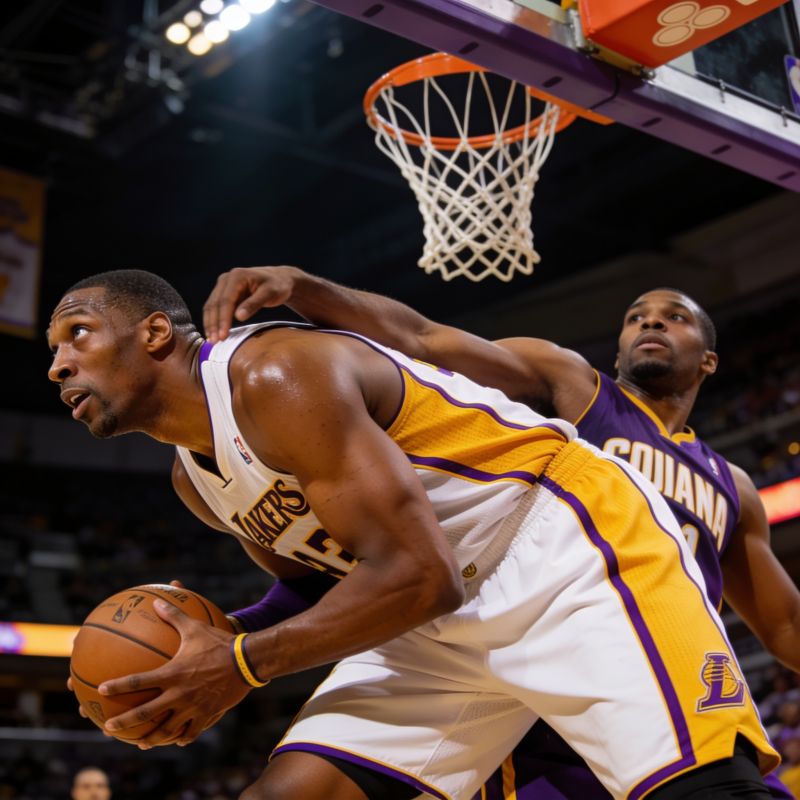
Defensively, Dwight Howard changes games without blocking every shot. His real value is verticality. He contests with hands high, chest up, and refuses to bite on shot fakes. In the 2011 playoffs against Atlanta, he held Al Horford to 38% shooting by staying grounded. That's teachable. Set your feet shoulder-width apart。keep your arms straight up, and slide your hips—don't swat down. Howard's three Defensive Player of the Year awards came from this discipline. He'd rather force a tough floater than give up an and-one. Coaches should drill this: close out with high hands, no reaching, and wall up at the rim.Rebounding is where Dwight Howard separates himself from modern centers. He doesn't just jump—he anticipates. Watch him on free throws: he'll position his body on the weak side, box out with his forearm, and explode upward. His career average of 11.8 rebounds per game isn't an accident. He uses a wide stance and times his leap to peak when the ball hits the rim. A practical tip: practice your box-out turn by stepping across the opponent's foot, then push back with your hips. Howard does this every possession. He also keeps his hands active, tipping balls to himself. In 2012, he grabbed 30 rebounds in a game against the Warriors by doing exactly that—relentless。technical work.Pick-and-roll coverage with Dwight Howard requires a specific approach. He's not a switch-everything big. Instead, he drops back to the free-throw line, then uses his length to recover. In Houston。he and James Harden struggled because Howard wanted to hedge hard while Harden wanted a drop. The lesson: know your center's preference. Howard's best defensive years came when he could roam—Orlando's system let him ignore shooters and protect the paint. If you coach a team with a Howard-type, give him freedom to help off non-shooters. But don't ask him to chase guards on the perimeter. He's too stiff laterally. That's not a flaw;
it's a role.Free throws remain Dwight Howard's obvious weakness, but his 56% career mark hides an important detail. He shoots better when he doesn't think. In 2013, he made 14 of 20 free throws in a game against the Heat by using a quick。
one-motion release. Then he'd revert to a slow, hitchy routine. The fix isn't mechanical—it's rhythm. Step to the line, dribble twice, breathe out, and shoot in one fluid motion. I've watched him practice this for hours. His 2019 Lakers stint showed improvement: 61% in the regular season. Not great, but playable. The takeaway for any poor free-throw shooter: simplify. Dwight Howard's career is a masterclass in leveraging strengths and hiding weaknesses with effort and positioning.