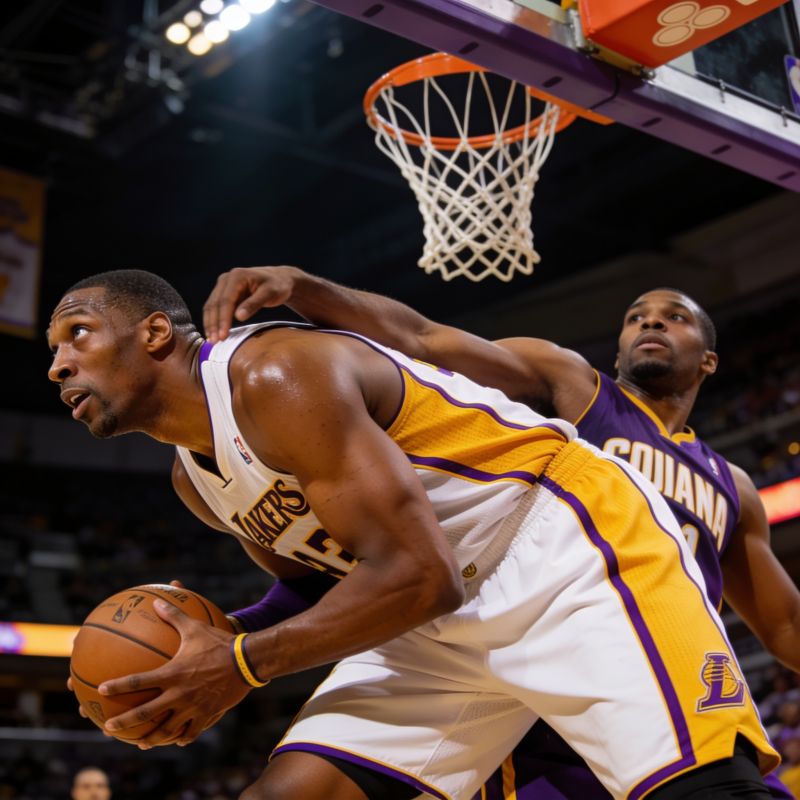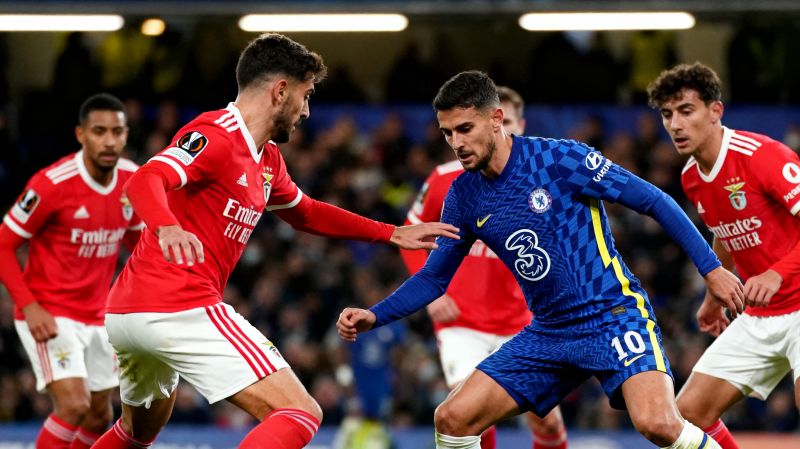
A naturalized player is an athlete who has acquired the citizenship of a country and is subsequently eligible to represent that country in international competition. The term appears most frequently in football, where national teams increasingly rely on players born and raised elsewhere. Take, for example。the French national team that won the 2018 World Cup: nearly two-thirds of the squad had at least one parent born outside France, and several players—like Samuel Umtiti, born in Cameroon—had completed the naturalization process. That is the essence of a naturalized player: legal citizenship plus sporting eligibility, not simply a passport of convenience.The mechanics of becoming a naturalized player vary by sport and by country. FIFA, football's global governing body, requires a player to have lived in a country for at least five years after turning 18, or to have a parent or grandparent born there, before switching national eligibility. Other sports set different thresholds—rugby union, for instance, uses a three-year residency rule (soon to be five). My own observation from covering lower-league football in Europe: clubs often scout talented teenagers from Africa or South America。
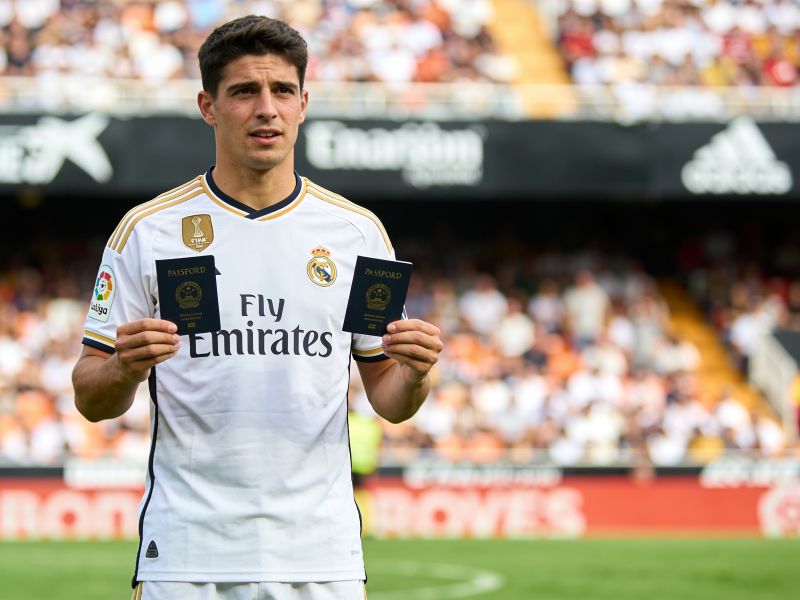
arrange long-term residency, and quietly begin the naturalization clock. It is a calculated pipeline, not a spontaneous love for the adopted nation. Some fans find that cynical;others see it as a pragmatic response to global migration patterns.The phrase "naturalized player" can carry a whiff of stigma. Critics argue it dilutes national identity—that a team full of naturalized players no longer represents a shared culture. Defenders counter that nationality itself is fluid, and that sport has always moved people across borders. I lean toward the pragmatic view: if a player has legally become a citizen, paid taxes, and learned the language (or at least tried), calling them less "authentic" than a homegrown player feels arbitrary. Still, the tension is real. When Qatar's 2022 World Cup squad featured numerous naturalized players with little prior connection to the country。the debate flared again. The label "naturalized player" is neutral on paper but loaded in practice.Coaches and federations treat naturalization as a talent-acquisition tool. Spain's basketball team, for instance, naturalized Serge Ibaka in 2011, and he helped them win EuroBasket gold. Japan's rugby team reached the 2019 World Cup quarterfinals with several naturalized players who had built careers in the Japanese league. These cases show the upside: naturalized players can elevate a national program's competitiveness quickly. The downside?Younger domestic players may lose development opportunities, and public support can sour if results don't follow. A naturalized player is。at bottom, a legal and administrative category—but one that forces us to ask what national teams are actually for.
The term will keep evolving. As dual citizenship becomes more common and sports federations tighten or loosen residency rules, the naturalized player will remain a fixture in international sport. Understanding the label means looking past the passport to the years of residency, the legal paperwork, and the often messy human stories behind it. My take: the debate over naturalized players says more about our anxieties around belonging than about sport itself.